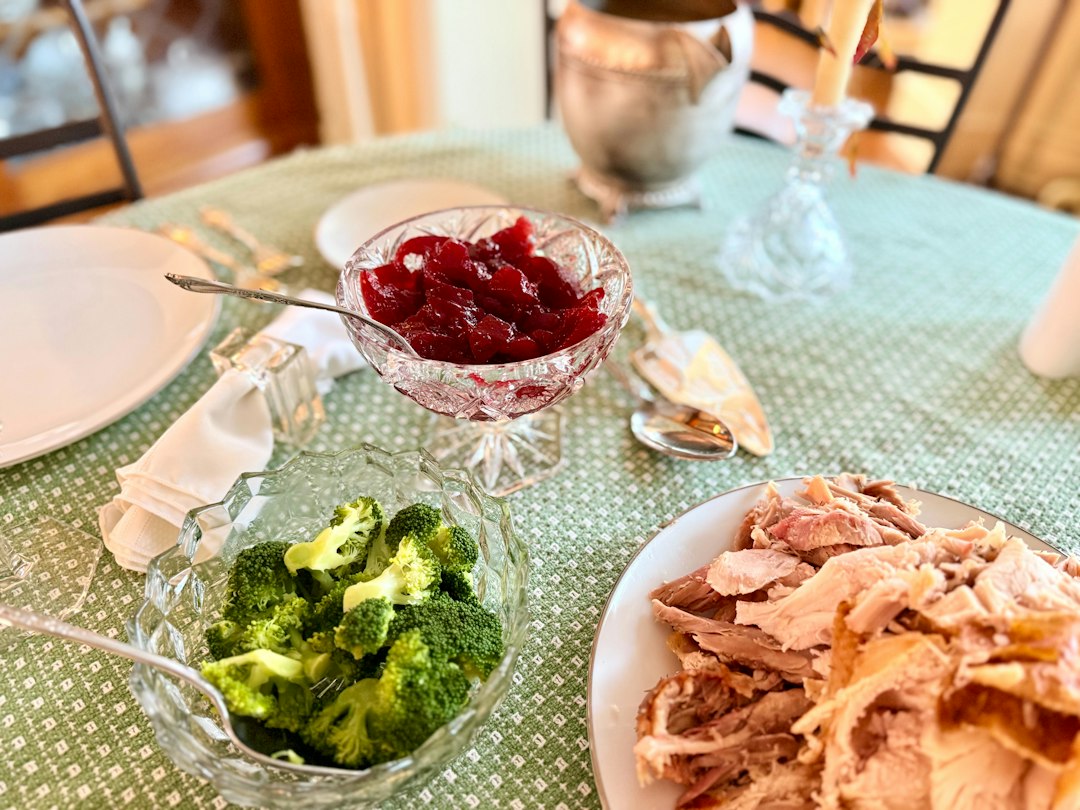
Hosting a meal may involve shopping, carrying groceries, preparing food, setting the table, standing, sitting, and cleaning afterward. If persistent pain changes part of that routine, one specific example can help you explain your concerns at a pain-management visit.
Break the activity into steps
Instead of writing only “hosting hurts,” identify the stage that became difficult. Was it lifting a pan, standing at the counter, reaching for dishes, sitting through the meal, or cleaning afterward? Note when the difficulty started and whether it affected the rest of the day or the following morning.
Do not repeat an activity just to see what happens. Use an ordinary experience you already remember. The goal is to communicate, not to diagnose yourself or test your physical limits.
Record what you noticed
Write down the location and quality of the discomfort, when it began, how long it lasted, and what seemed to change it. Include whether the activity affected sleep, mobility, concentration, or another daily responsibility. NIH patient guidance emphasizes that a person’s description is an important part of measuring pain.
Prepare the records and questions you need
If you have relevant imaging reports, prior visit notes, or a current medication list, ask the office what to bring or send securely. Mark information you do not know as unknown rather than guessing. Before the visit, select the questions you most want addressed.
- Which part of the activity should I describe first?
- What changes should I continue to track?
- Which prior records are most useful?
- What are the next steps after the evaluation?
Connect the example to a realistic goal
A useful goal may be to prepare a simple meal, remain seated through dinner, or recover more comfortably afterward. Your goal does not determine a diagnosis or treatment. It gives the clinician context for discussing your history and evaluating what may be appropriate for you.
Request a Tucson appointment
Med Clinics welcomes new pain-management patients in Tucson. Review our pain-management information or request an appointment. Call 520-885-2822 for current scheduling and records instructions.
Sources: NIH: Pain and AHRQ: Be More Engaged in Your Healthcare. General education only; not a diagnosis or individual care plan.